Interesting Aspects of Adult Development
Extend and Include
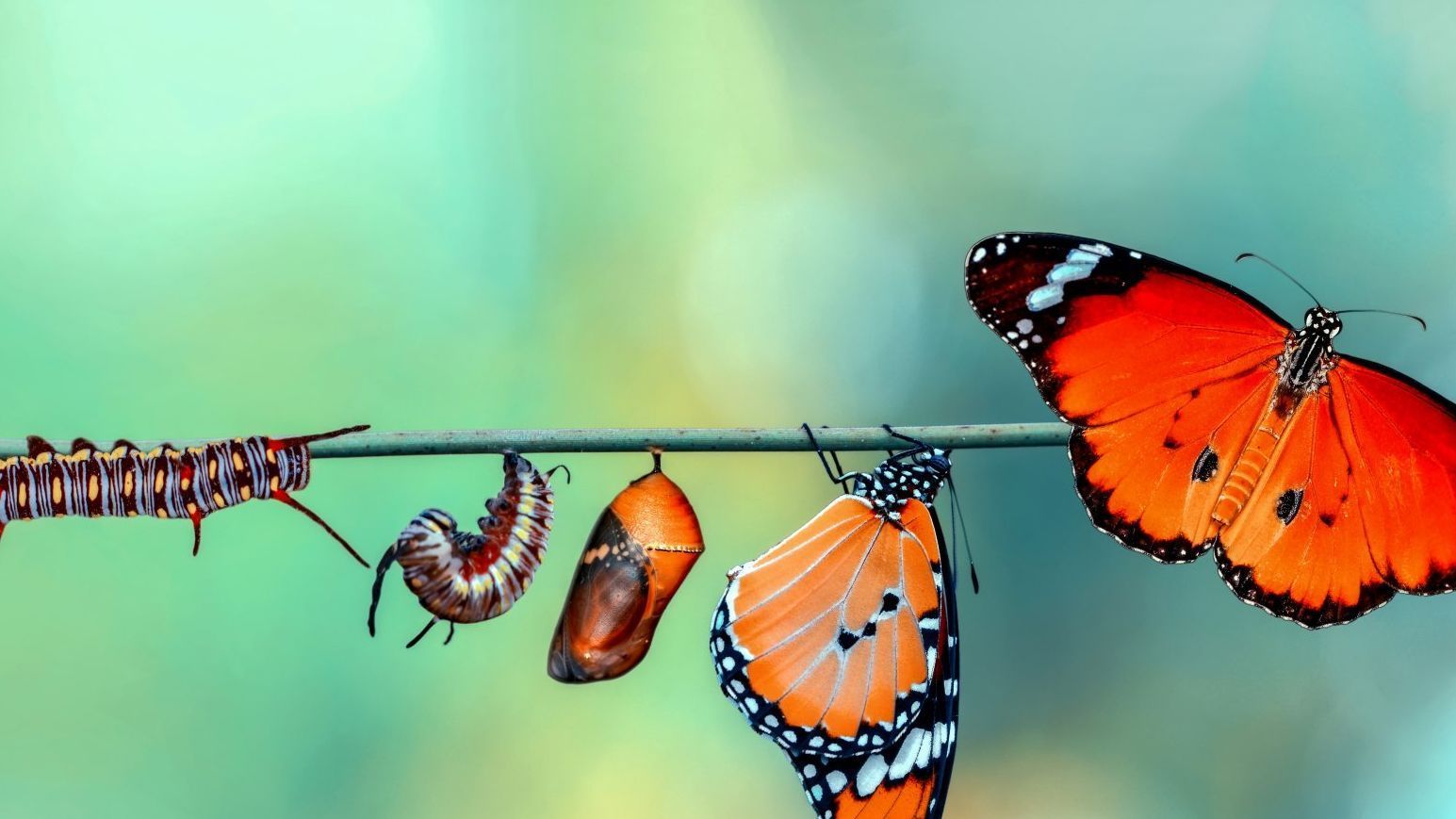
When we read about adult vertical development in articles such as ‘Seven Transformations of Leadership’ we risk coming away with the impression that the process is linear, stepped, progressive and hierarchical. It’s hard to write about the phenomenon without creating this impression. However it is just not so! We can’t leave our past selves, our histories and earlier beliefs behind and start anew. We retain these within us as our perspective extends. We develop capability at a new level of meaning-making or ‘Action Logic’ but our capacity for the earlier versions stay within us. As in the case of the dolls - each doll dwells within the other.
Various developmental theorists have sought to define the different ‘levels’ or ‘stages’ of development which seem to exist, each having distinct flavours and features. The wonderful Robert Kegan describes three phases of evolution of self in adulthood, naming them ‘socialised’, ‘self-authored’ and ‘self-transforming’. Nick Petrie, whose writing and approach I admire, talks about the phases as ‘dependent conformer’, ‘independent achiever’ and ‘inter-dependent collaborator’. At Harthill, David Rooke and others have built on the work of Jane Loevinger, Suzanne Cooke-Greuter and Bill Torbert to create a perspective particular to leadership and organisations. In Harthill’s Leadership Development Framework (LDF) the stages or levels are more granular and named as: Impulsive, Opportunist, Diplomat, Expert, Achiever, Individualist, Strategist, Alchemist and Ironist. In each of these cases the story of ‘extend and include’ prevails with each expansion building on the previous one in an integrated sequence.
One might assume that when we grow developmentally we leave the earlier ‘levels’ behind and act out of the latest, ‘best’ version of ourselves all the time. Yet we all have experience of not showing up at our best in certain situations. At times like these we show up at a level or two below what we are capable of because of the circumstances, our state of health, our emotional state or our stress levels. This phenomenon, called ‘fallback’ is written about beautifully by Valerie Livesay. If you want to see this in action come to my house where you might see me arguing with my wife about how I load the dishwasher having spent the day facilitating a group to leverage the later stages of adult development!
Having a good understanding of the notion of ‘extend and include’ is important when working with vertical development, your own, and your developmental coaching clients.